
See Your Backyard Before It’s Built
Nothing is left to guesswork
Modern Ways of Designing Luxury Backyards
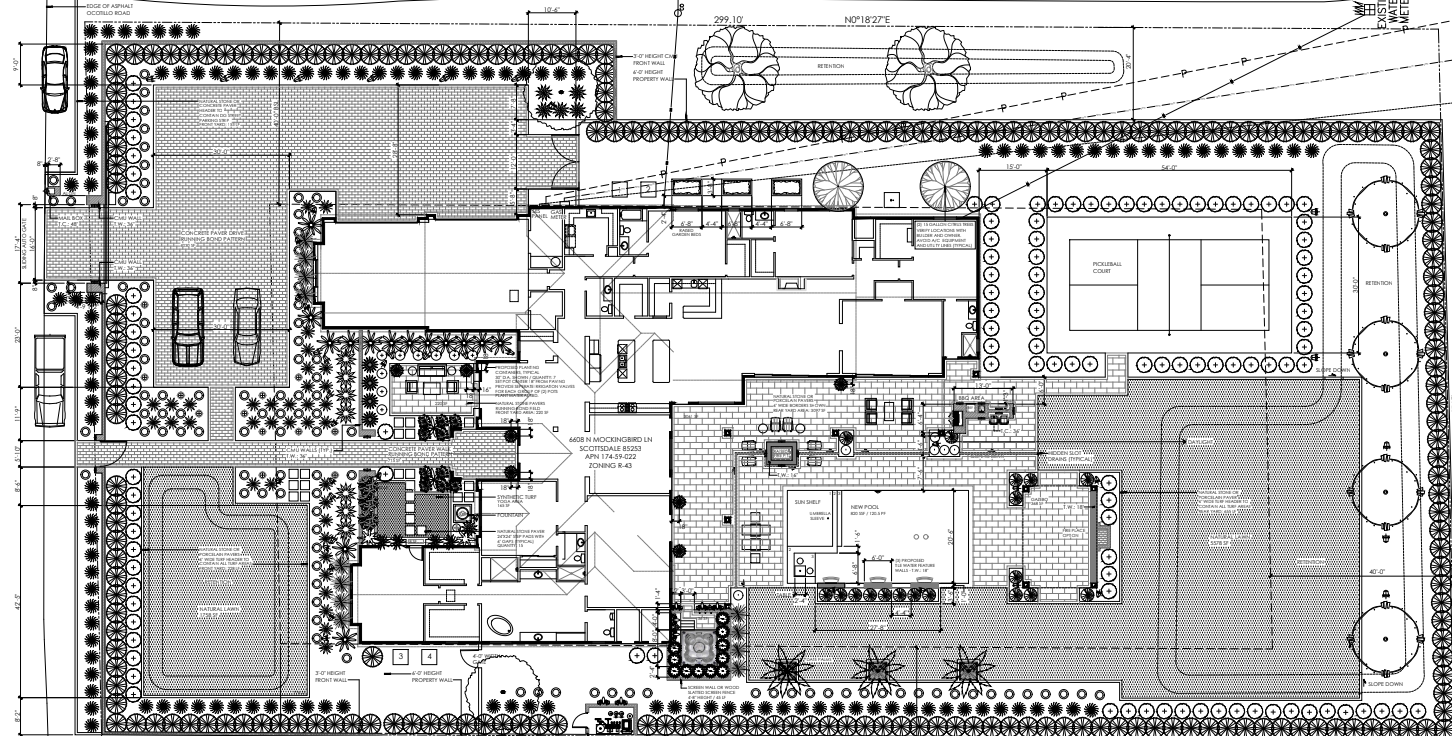
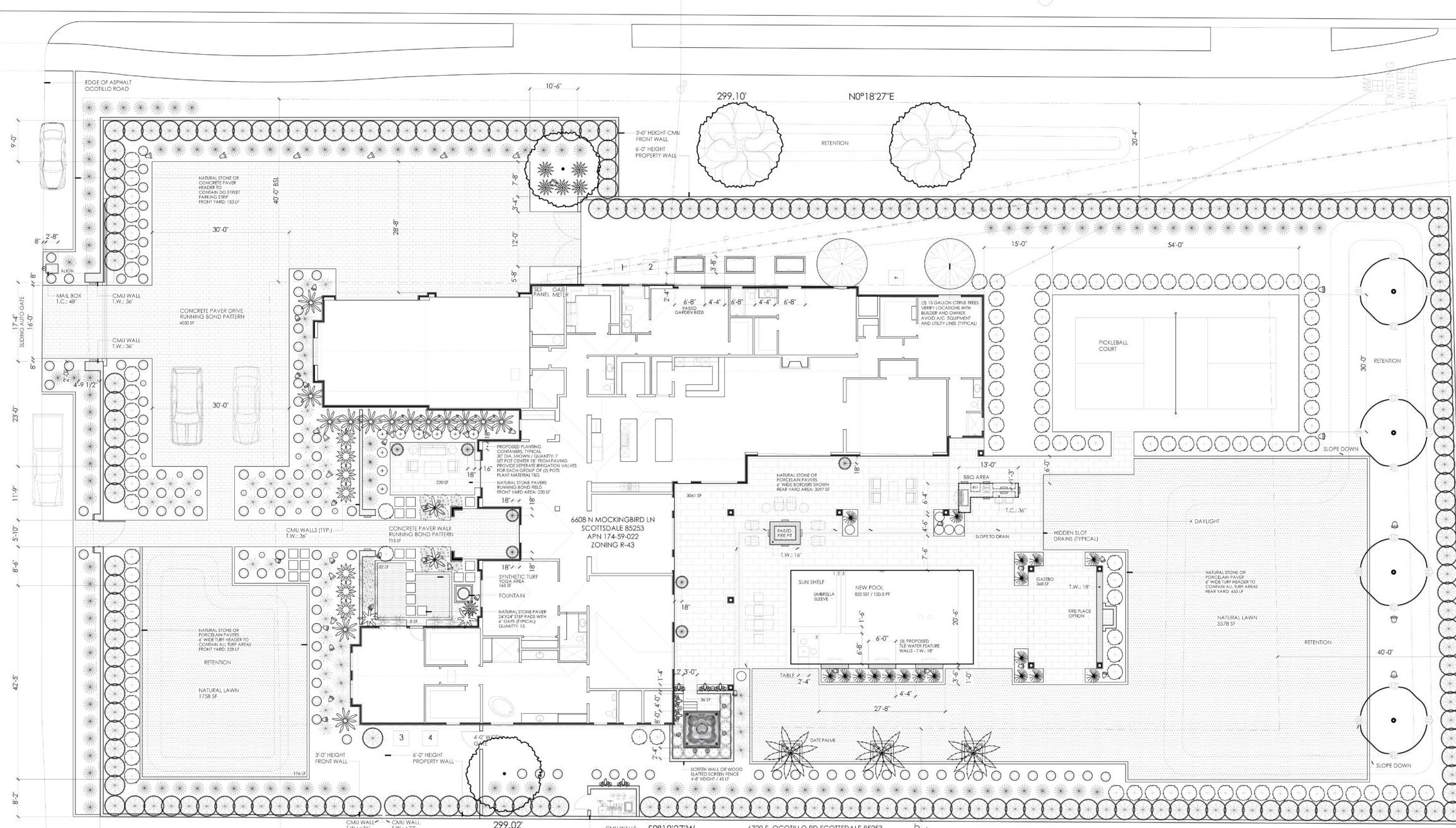
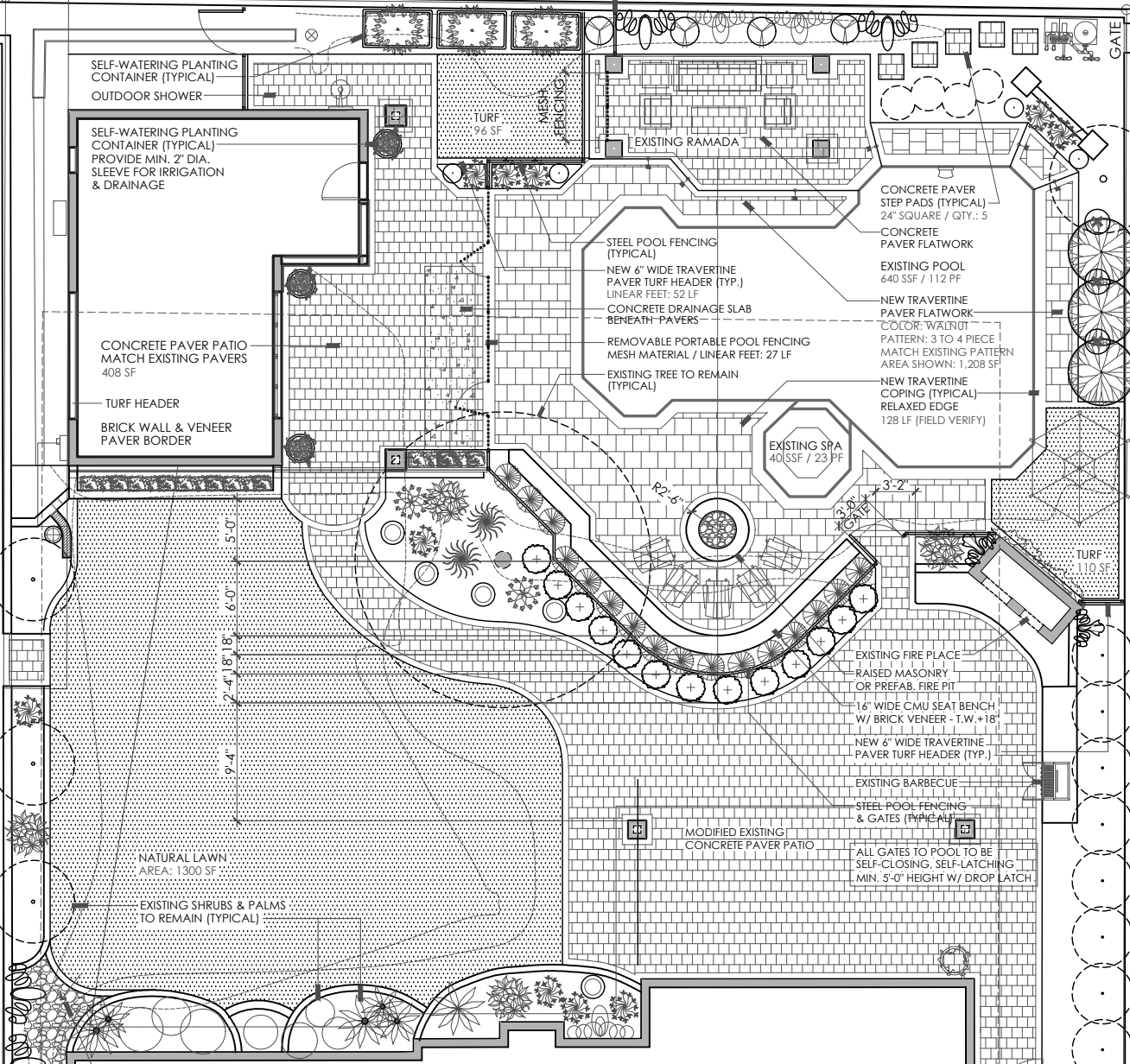
Fairbanks Design specializes in 3D pool and backyard design in Phoenix, transforming blank yards into resort-style outdoor living spaces tailored to the way families actually live. Our designs are led by the Fairbanks Design team, combining creativity, technical expertise, and a deep understanding of outdoor living to bring each project to life. Every backyard begins with a detailed 2D plan and advances to immersive 3D visuals, allowing homeowners to experience the space before construction ever begins.
From custom pools and spas to outdoor kitchens, lighting layouts, and planting plans, each design is engineered for beauty, function, and long-term durability. This design-driven process clarifies budgets, speeds up approvals, and minimizes costly changes once construction is underway.
design7-0
Design3
Design4
Our Design Process
A clear, proven design process keeps your backyard project organized, on budget, and aligned with your vision. Here is how the Fairbanks team moves your project from first idea to finished outdoor retreat.
Predictive Design Technology
Fairbanks models water features, steps, elevation changes, and night lighting to predict how the space will look and feel in real life. This predictive modeling helps avoid layout mistakes, improves traffic flow, and ensures that every seating area, sun shelf, and feature wall is positioned exactly where it should be.
Certified Plans
Your finished design package includes scaled drawings, material selections, and key details needed for permitting and construction. By delivering plans that your builder can follow line by line, Fairbanks reduces delays, keeps crews aligned, and protects your investment from costly miscommunication.
The timeline depends on project size and the number of revisions, but most residential pool and landscape designs take anywhere from one to four weeks. The process typically includes an initial consultation and site review, a first 2D layout for feedback, and then detailed 3D renderings for final approval. Clear communication and quick feedback from the homeowner can significantly speed up the design schedule.
A professional 2D plan usually includes property boundaries, existing structures, and the exact location and size of the pool, spa, patios, walkways, and planting beds. It also labels key elements such as steps, walls, utilities, drainage, and lighting locations, giving your construction team a clear roadmap. Many firms add a plant legend, material callouts, and dimensions so estimating, permitting, and building can all be done from the same set of drawings.
2D and 3D designs solve different problems in the same project. A 2D plan provides accurate measurements, setbacks, and layout details that builders and permitting offices rely on, while a 3D design shows realistic views, lighting, and elevation so you can visualize how everything will actually feel once built. Using both together reduces misunderstandings, speeds up decisions, and helps prevent costly changes during construction.
3D design lets you “test drive” different layouts, features, and material combinations before committing to construction costs. By seeing how add‑ons like fire features, larger patios, or upgraded stone change the overall look, you can prioritize what matters most and remove items that don’t add enough value. This reduces mid‑project changes, which are usually more expensive than decisions made during the design phase.
Modern 3D design software can generate highly realistic views that show water color, textures, furniture, and even night‑time lighting effects. Elevation changes, steps, and sightlines from inside the house can be previewed to identify design issues before any ground is broken. While small details may change in the field, the 3D render is typically very close to the finished result and is an excellent tool for making confident design choices.
